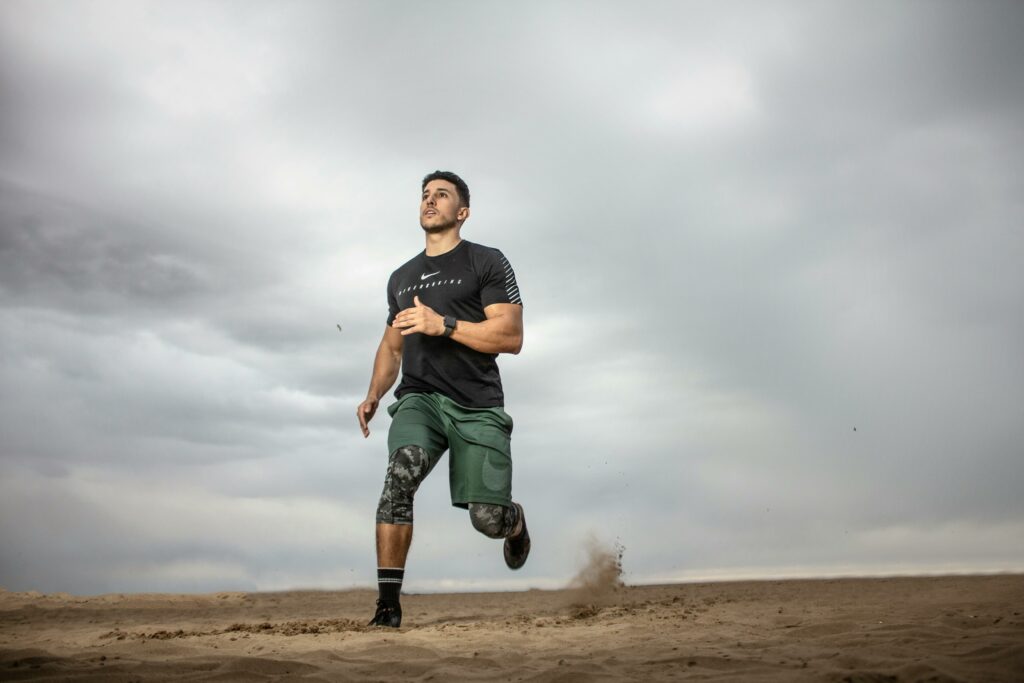
When it comes to achieving your fitness goals, most people focus on the right exercises and diet. However, few realize that the workout clothes you wear can have a significant impact on your performance, comfort, and confidence. Whether you’re lifting weights, running outdoors, or practicing yoga, the right gym wear ensures your body moves freely, stays dry, and feels supported throughout your session.
In this article, we’ll discuss how to choose the best workout clothes for different exercises, what fabrics work best, and how to balance comfort, performance, and style.
1. Why the Right Workout Clothes Matter
The clothes you wear during a workout are more than just fashion statements — they’re tools that enhance performance. Good activewear can wick away sweat, regulate temperature, and reduce the risk of irritation or injury.
Here’s why wearing the right fitness clothing matters:
Comfort: Properly fitted clothes reduce friction and allow full movement.
Performance: Breathable and flexible materials enhance agility and endurance.
Safety: Compression and support help prevent strain and fatigue.
Confidence: Stylish and functional workout clothes make you feel good and motivated to train harder.
2. The Best Fabrics for Workout Clothes
Choosing the right fabric is the foundation of effective gym wear. Not all materials are created equal — some trap heat and moisture, while others help you stay cool and dry.
a. Moisture-Wicking Fabrics
The best workout clothes use fabrics that draw sweat away from your skin and help it evaporate quickly. This keeps you dry and prevents that heavy, sticky feeling.
Examples: Polyester, nylon, spandex blends, Dri-FIT, Coolmax.
Best for: Running, HIIT, and cardio sessions.
b. Breathable and Lightweight Materials
Air circulation is vital during workouts. Breathable fabrics and the right workout clothes keep your body temperature balanced and prevent overheating.
Examples: Mesh panels, bamboo fabric, microfibers.
Best for: Yoga, Pilates, and indoor workouts.
c. Compression Fabrics
Compression workout clothes support your muscles and improve blood flow. They can help with recovery and reduce soreness after intense training and are the right workout clothes .
Examples: Lycra, elastane, spandex.
Best for: Weightlifting, running, and cycling.
d. Natural Fabrics
If you prefer eco-friendly options, natural fabrics are great for low-sweat workouts.
Examples: Bamboo, merino wool, organic cotton blends.
Best for: Yoga, stretching, and cool-weather workouts.
3. Choosing Workout Clothes for Different Types of Exercise
Different workouts require different fitness clothing. Here’s how to choose the right activewear for your routine:
a. Gym Workouts and Weight Training
When lifting weights or using gym machines, choose fitted workout clothes that don’t get caught in equipment.
Men: Moisture-wicking T-shirts, compression shorts, or joggers.
Women: Supportive sports bras, high-waisted leggings, and breathable tops.
Avoid overly loose clothing that restricts visibility or movement.
b. Yoga and Pilates
Flexibility is the priority. Look for stretchable, soft, and body-hugging activewear that moves with you.
Recommended: Leggings or yoga pants, fitted tops, or sports bras made from spandex or bamboo blends.
c. Running and Cardio Workouts
Running creates high body heat, so wear lightweight and sweat-resistant workout clothes.
Recommended: Breathable tops, reflective running gear, and moisture-wicking leggings or shorts.
In colder weather, layer with compression and thermal fabrics for warmth.
d. Outdoor and Winter Workouts
Layering is key when training outdoors.
Base layer: Sweat-wicking fabric.
Middle layer: Insulating fleece or wool.
Outer layer: Windproof and waterproof jackets.
Avoid cotton, as it retains moisture and chills the body.
4. Fit and Comfort: The Golden Rule of Gym Wear
No matter how stylish or expensive your workout clothes are, fit is everything. Poorly fitted activewear can cause chafing or restrict movement.
Tight fit: Provides muscle support but shouldn’t limit flexibility.
Loose fit: Ideal for relaxed workouts like yoga but should still offer comfort and coverage.
Always test your clothing by stretching or squatting before purchase to ensure it moves naturally with your body.